
ArtMelo's June Monthly Public Work Report
Overview
June marked the first month of formal operations for ArtMelo Creative Studio, three months after its founding. During the month, our two members worked hard, powered by love, and achieved some genuinely good results. This report is our update for everyone who supports and enjoys our work, covering the latest development progress we can share publicly.
Creative Team
With Shushu Dawang's hard work this month, the creative team completed the main storyline design for the interactive fiction game Dislocation, character art and detailed profiles for some of its characters, and the logo design for ArtMelo Creative Studio.
Dislocation is currently in the process of developing its storyboard script and designing the remaining character art. We expect to officially meet everyone in August this year!
Development Team
The development team can only join the game development process after the creative team has completed the relevant artwork.
To improve development efficiency, the technical team decided to build its own creative tool, Doushabao-Image.
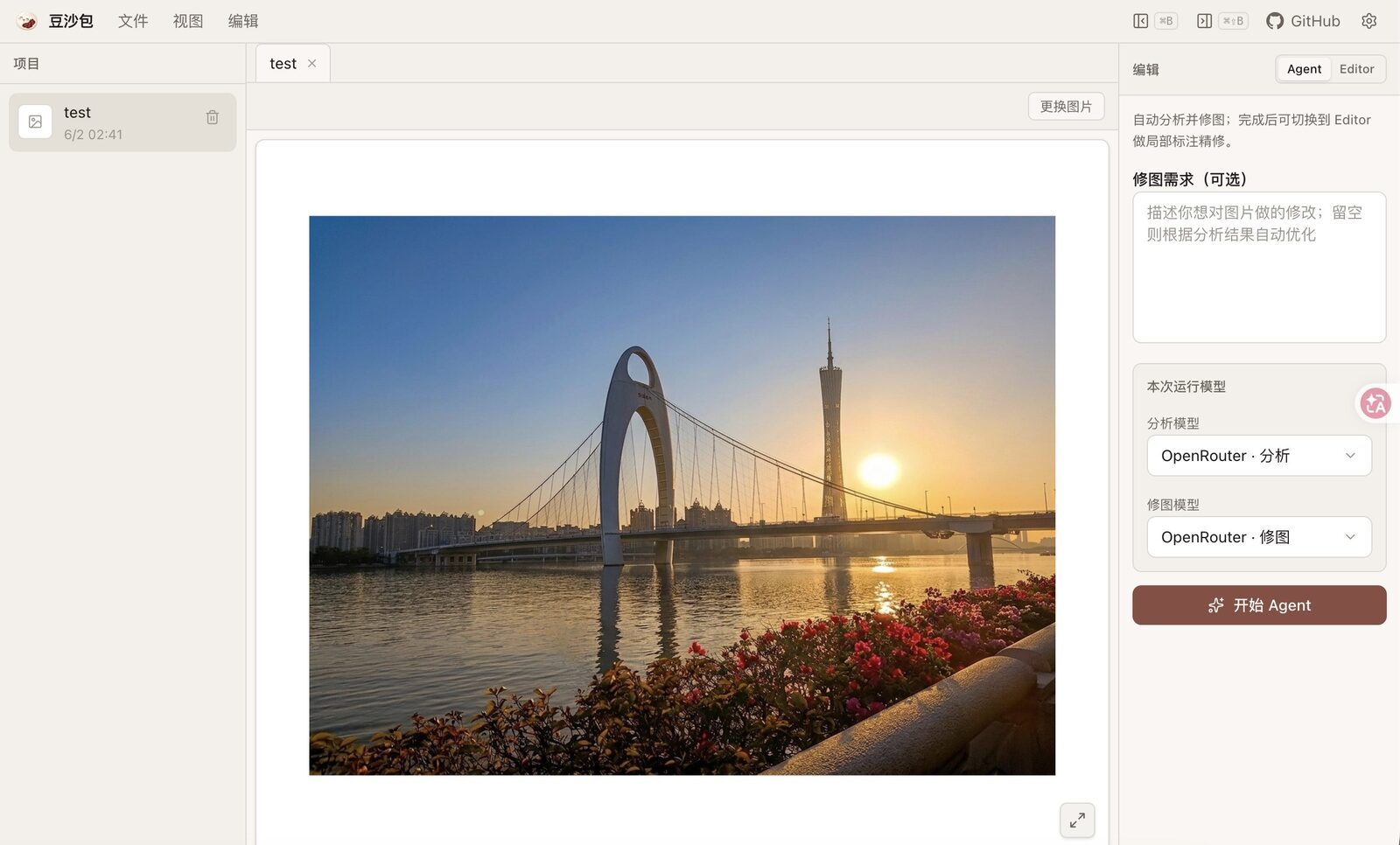
Doushabao-Image provides image color correction features such as AI Agent-powered color grading, along with an Editor Mode that supports draw-to-edit workflows. It is now compatible with OpenAI Router, Google AI, and all models that support OpenAI-compatible APIs.
To make future promotional video production easier and more efficient, the technical team is also developing a related project, Doushabao-Video, which is not yet complete.
About ArtMeloAI
To reduce the AI costs of promotional video production (we were basically just running out of money 🥲), while improving efficiency and maintaining image quality, Donggua decided to design an AI architecture from scratch.
After three days of hard work, Donggua completed a demo of the MeloMotion Framework. On an Apple M1 Pro Standard device using CPU-only rendering, it generated a 2-second, 128×128, 48 FPS animation of multiple moving blocks in just 2 seconds. Compared with existing diffusion models, it causes less visual loss, requires less performance, and supports multiple layers.
The project is still in its experimental stage. For details, see the public technical report: MeloMotion Framework Technical Report.